Rummy strategy: boundaries, not myths

What strategy can and cannot do
Strategy in rummy is the discipline of paying attention to the table and to the hand. It improves the shape of a session, not the expected value of any single deal. The platform’s house edge is the structural floor; everything else is variance.
Three habits reliably improve outcomes: sorting the hand in the first five seconds, finishing a pure sequence in the first three turns, and dropping early when the hand has no path to a clean declaration. Each is a small judgment, not a rule.
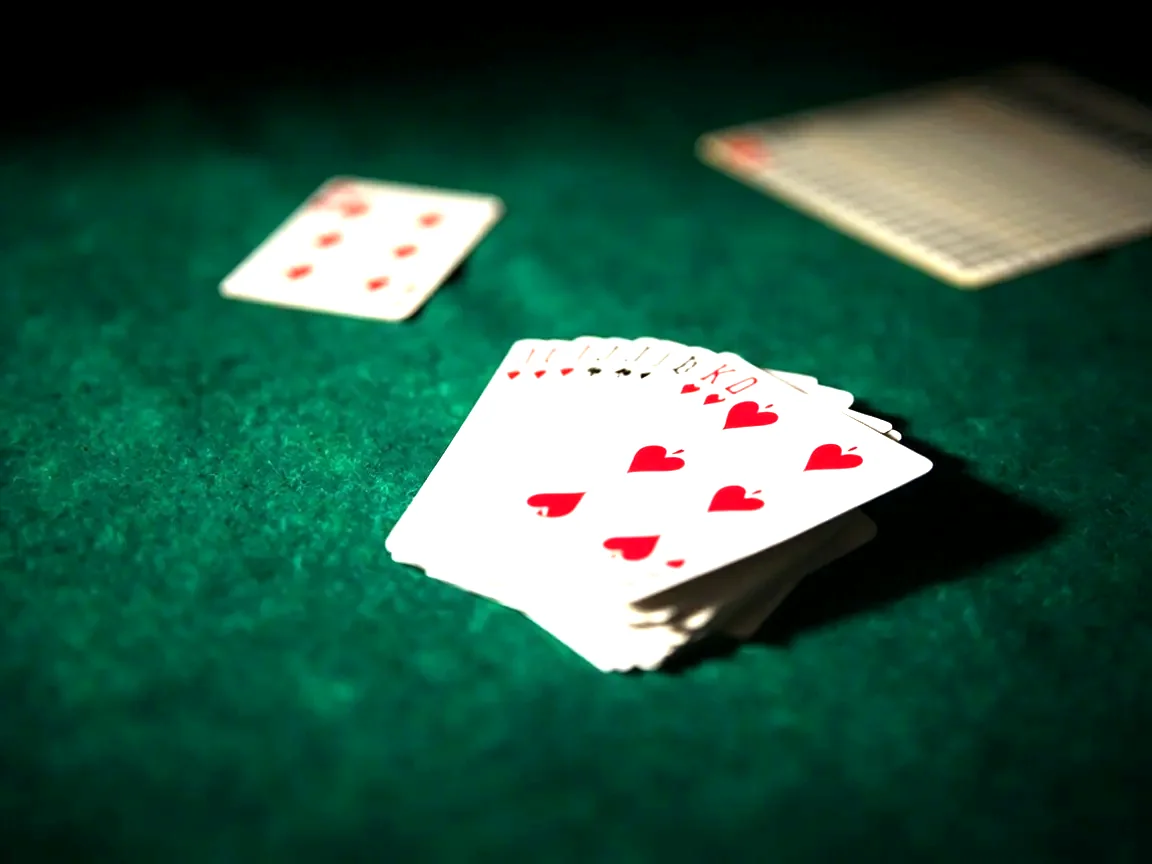
Sorting the hand
The first five seconds determine the next five minutes. Look for the longest natural run, the densest set, and the joker in that order. If the longest natural run is shorter than four cards, the hand is on a clock.
Reading the discards
Every discard is a public signal. The card an opponent picks from the open pile is the most useful signal because it tells you what they are missing. Read the discard pile as a sequence of decisions, not as a list of cards.
Three patterns are worth tracking: which high-value cards are still in play, which suits are flowing, and which opponent picked up a specific card. The first is the easiest; the third is the most informative.
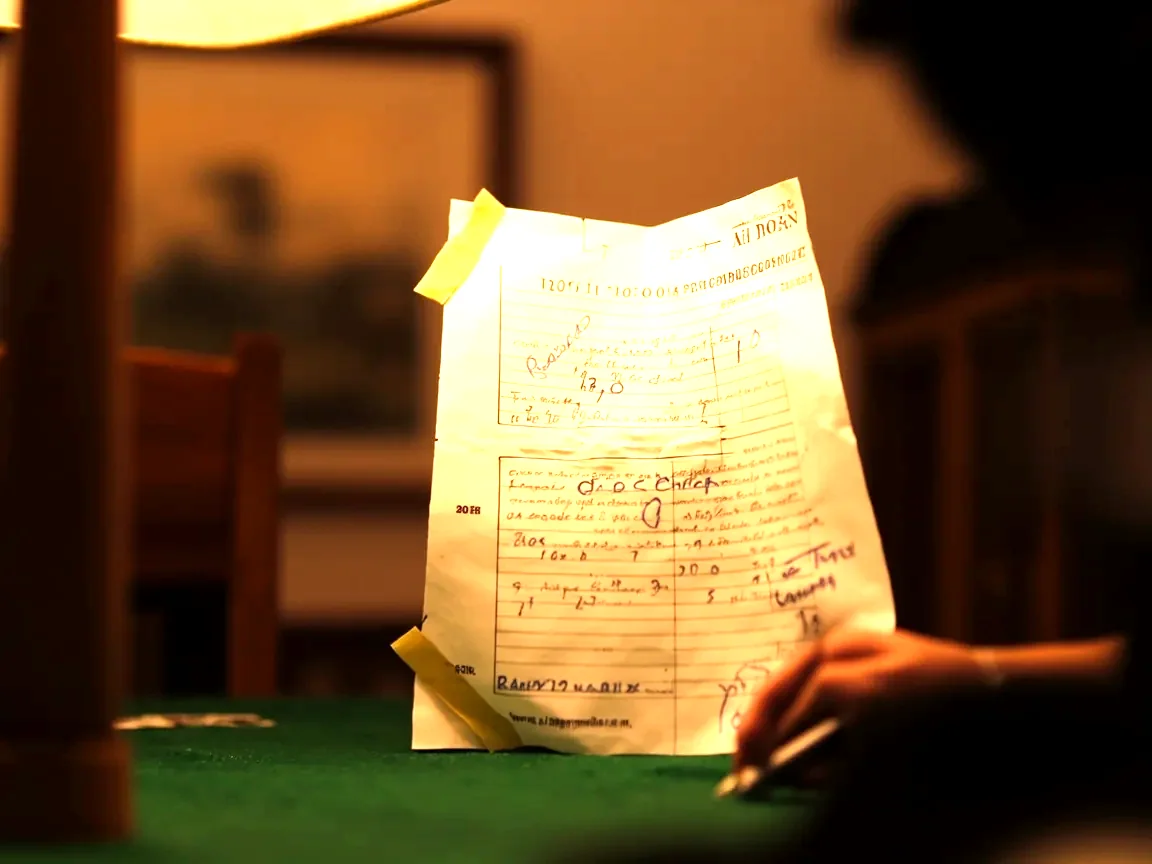
The card-count chart
A small paper card-count chart taped to the table lamp is a useful mid-session tool. Track which cards have been discarded, which are still in the closed deck, and which opponents’ melds are absorbing.
Variance and bankroll
Variance is the spread of outcomes in a session. A single deal has high variance; a pool-arc has lower variance per deal but a longer arc. The right bankroll is the one that lets a session survive the variance without breaking the daily budget.
| Format | Per-hand variance | Session length |
|---|---|---|
| Points rummy | High | Short |
| Pool rummy (101) | Medium | Medium |
| Pool rummy (201) | Medium-low | Long |
| Deals rummy | Low | Three deals |
Bankroll discipline is the single most important non-card skill. Set a session budget before the first deposit, set a session time-band, and stop when either is reached. The platform’s session-time-out tool is a real safety measure.
A note from the desk

“The platform’s fee is the structural floor. Strategy is the discipline of noticing the table and stopping the session before the variance does. No card game rewards anti-pattern play.”The melbet Rummy Desk
Editorial standards · updated 31 July 2026
Strategy questions
Can a strategy guarantee a positive expected value?
No. The platform’s fee structure is the structural floor. Strategy improves the shape of a session, not the expected value of any single deal.
Should I always pick from the discard pile?
No. Picking from the open pile is a public signal. Reserve it for the card that closes a sequence in one move.
When is a middle drop the right play?
A middle drop is the right play when the hand has no path to a pure sequence by turn four and the alternative is a full count.
How do I read the table without chatting?
Track which cards have been discarded, which suits are flowing, and which opponents picked up from the open pile. The chat is rarely informative.
The full strategy desk
The strategy desk is the platform’s binding source for the math-bounded reads. The desk is staffed by the editorial team; the response time-band is published in the help center. The desk is the binding source for the platform’s strategy commitments.
The desk publishes the update in the help center; the player should verify the published date before relying on any strategy read.
A deeper look at the card distribution
The card distribution in a 52-card deck is well-defined. The probability of drawing a card of a specific rank is 4/52 = 1/13. The probability of drawing a card of a specific suit is 13/52 = 1/4. The probability of completing a 7-card pure sequence is approximately 30% by the fourth draw.
The probability of completing a set with a 2-card initial pair is approximately 15% by the fourth draw. The probability of completing a set with a 3-card initial set is approximately 25% by the fourth draw. The probabilities are the underlying math; the strategy is the discipline of using the probabilities.
More strategy questions
Can a strategy eliminate the house edge?
No. The platform’s fee structure is the structural floor. Strategy improves the shape of a session, not the expected value of any single deal.
What is the best format for a study session?
Deals rummy. Each deal is a closed loop; the chip settlement is a small, immediate feedback signal. Three deals at a time is a manageable session length.
The full strategy desk
The strategy desk is the platform’s binding source for the math-bounded reads. The desk is staffed by the editorial team; the response time-band is published in the help center. The desk is the binding source for the platform’s strategy commitments.
The desk publishes the update in the help center; the player should verify the published date before relying on any strategy read.
A closer look at the probability table
The probability table is the binding source for the math-bounded reads. The table lists the probability of drawing a card of a specific rank or suit, the probability of completing a pure sequence, and the probability of completing a set.
The table is the binding source for the strategy desk. The desk uses the table to compute the long-run expectation. The table is the binding source for the editorial consistency.
A closer look at the bankroll
The bankroll is the player’s reserve for the session. The bankroll is the binding source for the player’s risk tolerance. The bankroll should be 30 to 50 times the largest single bet.
The bankroll is the binding source for the player’s discipline. The player should set the bankroll before the first deposit; the bankroll should be the binding source for the player’s session budget.
The full strategy archive
The strategy archive is the binding source for the platform’s strategy record. The archive lists the prior strategy advisories with the publication date and the trigger. The archive is the binding source for the platform’s strategy record.
The archive is the binding source for the platform’s strategy commitment. The player should verify the archive; the verification is the binding source for the player’s strategy.
The full strategy glossary
The strategy glossary is the binding source for the platform’s strategy vocabulary. The glossary includes: variance, bankroll, drop, middle drop, full count, meld rate, hold rate, draw rate, discard rate. The glossary is the binding source for the platform’s vocabulary.
The glossary is the binding source for the platform’s strategy commitment. The player should verify the glossary; the verification is the binding source for the player’s vocabulary.
The math behind the strategy
Rummy strategy is based on the distribution of cards in a 52-card deck. The probability of drawing a card of a specific rank or suit is well-defined. The probability of completing a pure sequence with a 7-card initial run is approximately 30% by the fourth draw. The probability of completing a set with a 2-card initial pair is approximately 15% by the fourth draw.
These probabilities are the underlying math. Strategy is the discipline of using these probabilities to make decisions at the table. The probabilities are not guarantees; they are the long-run expectation. A single hand can deviate dramatically from the expectation.
Variance and the long run
Variance is the spread of outcomes in a session. A single deal has high variance; a pool-arc has lower variance per deal but a longer arc. The right bankroll is the one that lets a session survive the variance without breaking the daily budget.
The standard rule is: the bankroll should be 30 to 50 times the largest single bet. For a 100 INR per-deal stake, the bankroll should be 3000 to 5000 INR. The rule is a baseline; the right bankroll depends on the player’s risk tolerance and session budget.
A closer look at the drop decision
The drop decision is the most important decision in rummy. The middle drop (cost 50) is cheaper than the full count (cost 80) and cheaper than the invalid declaration (cost 80 plus zero winnings). The decision is a hand-by-hand judgment, not a rule.
Three patterns that signal a drop: (1) no path to a pure sequence by the fourth draw; (2) a high-value deadwood count (K, Q, J, A) that is at risk of being caught; (3) a discard pattern that suggests an opponent is gathering one of the player’s needed cards.